When Product Architecture Outruns Revenue Architecture
A SaaS leadership team was reviewing a packaging and pricing initiative.
The product had expanded significantly over the past few years. New capabilities had been added, integrations had deepened, and AI features were beginning to appear across several workflows.
Customers were clearly receiving more value.
Yet the pricing conversation was unexpectedly difficult.
The new Product Leader finally paused and said something that shifted the discussion.
“We keep adjusting price, but I’m not sure our pricing model reflects what the product actually is anymore.”
That moment appears in many companies — usually much later than leaders would like.
The Gap That Slowly Appears
Products evolve continuously.
Over time the value exchange between the company and its customers becomes richer and more complex.
But the system that translates that value into revenue rarely evolves at the same pace.
Aside from occasional price increases, many companies continue operating packaging and pricing structures that were designed for a much earlier version of the product.
The product moves forward.
The revenue architecture — the way customer value is translated into packages, pricing metrics, discount structures, and policies — often remains inherited.
For a while, the difference is barely noticeable..
Where Leaders First Notice It
The first signals appear in commercial conversations.
-
Pricing becomes harder to explain and defend.
-
Sales begins negotiating more often.
-
Different segments begin paying in different ways.
-
New initiatives introduce additional pricing mechanisms.
Each adjustment seems reasonable in isolation.
Taken together, they are usually attempts to reconcile a growing misalignment.
The product has changed. The commercial system around it has not.
Why Pricing Initiatives Feel Like Starting From Scratch
When organizations decide to “fix pricing,” the discussion usually begins with the visible levers.
-
Should the list price move?
-
Should new tiers be introduced?
-
Should discount rules tighten?
These are tangible actions, so they become the starting point.
But changing those levers does not clarify how the business actually gets paid. They adjust pieces of the pricing model while the underlying revenue architecture remains the same.
This is why pricing initiatives often feel like they start from scratch. The organization is adjusting pricing decisions without ever making the revenue architecture explicit.
The Applied Frameworks Reframing
This situation is usually described as a pricing problem. But what leaders are actually encountering is a systems problem.
Product architecture evolves continuously through roadmap decisions.
Revenue architecture evolves much more slowly through accumulated pricing changes.
One system reflects the product as it exists today.
The other reflects commercial decisions made for earlier versions of the product.
Eventually the two drift far enough apart that pricing conversations begin carrying the tension.
Where Profit Streams Helps
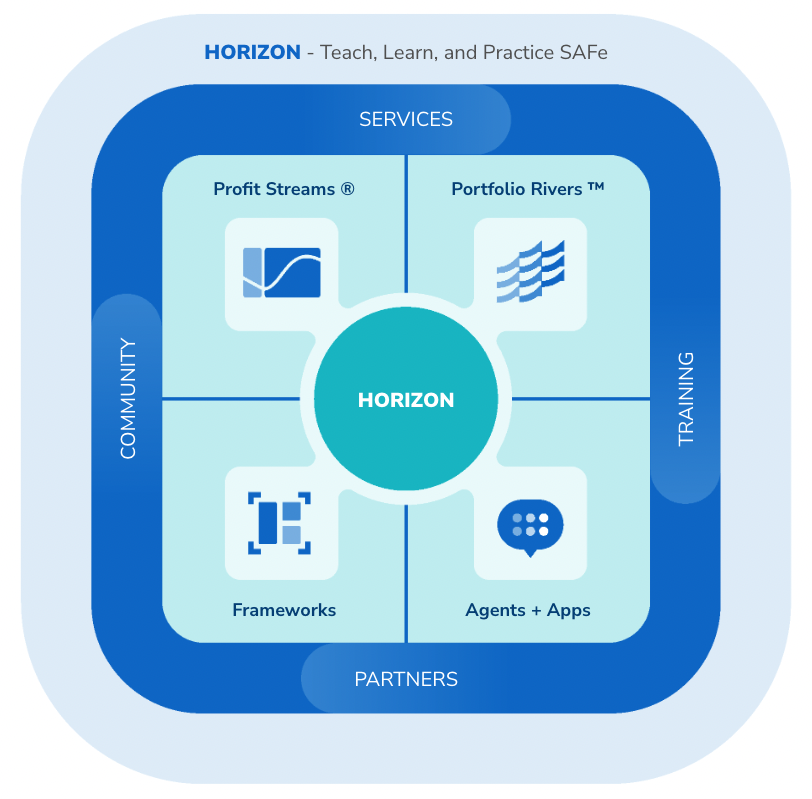
Profit Streams makes the revenue architecture visible alongside the product that has evolved over time.
It allows leadership teams to examine which customer clusters generate durable revenue, which combinations of capabilities create real reliance, and how those relationships translate into sustainable profit streams.
Once that structure becomes visible, product evolution and revenue architecture can move forward together instead of drifting apart.
You are not just adjusting pricing.
You are aligning the systems that turn value into revenue.
—
Applied Frameworks
Designing profit streams that stand at their price